
A comprehensive guide to healing trauma naturally through trauma-informed, evidence-based acupuncture care.
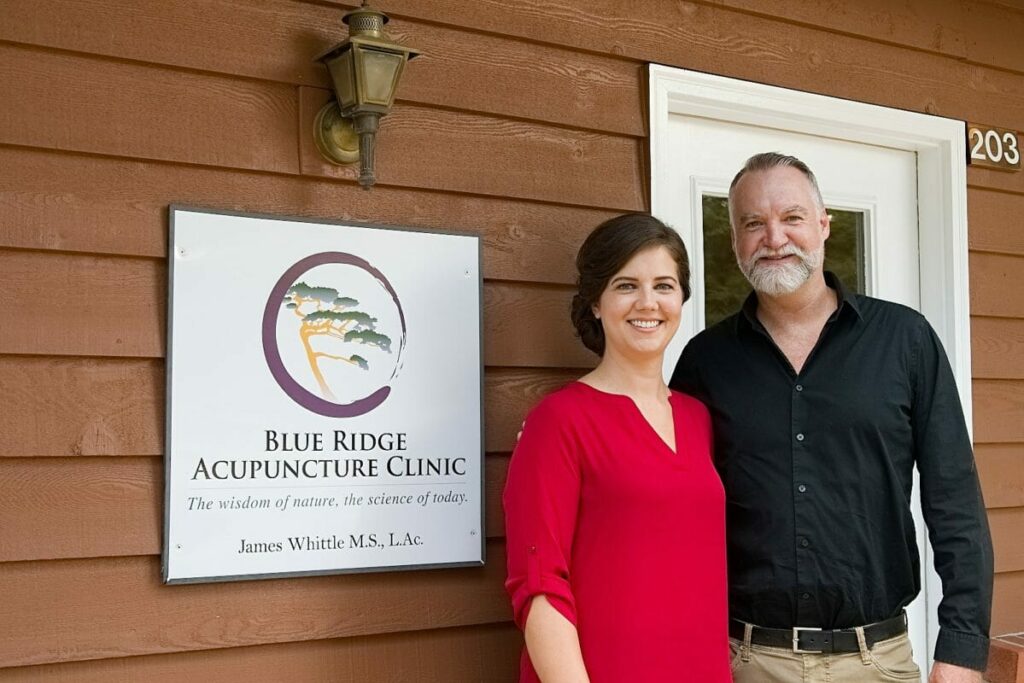
As a licensed acupuncturist with over two decades of clinical experience, I’ve treated trauma in many forms—PTSD in combat veterans, survivors of abuse, and individuals shaken by natural disasters, as well as fear-based conditions like public-speaking anxiety, chronic anger, panic symptoms, and emotional dysregulation. Early in my career, I lived and trained in China, where I witnessed firsthand how acupuncture can calm the nervous system and restore balance in ways that Western medicine is only beginning to describe. I later had the privilege of training with Richard Niemtzow, MD, PhD, the founder of Battlefield Acupuncture, and I am certified in the NADA protocol, a widely used method for trauma, addiction recovery, and emotional stabilization. These experiences—combined with thousands of patient encounters—shape my trauma-informed approach and guide the way I help patients move out of survival mode and back into their lives.
Post-Traumatic Stress Disorder (PTSD) affects millions of people—combat veterans, survivors of abuse, first responders, victims of accidents, and those impacted by natural disasters. While psychotherapy and medication remain essential tools, many people continue to struggle with anxiety, hypervigilance, sleep disturbance, emotional reactivity, and chronic stress long after conventional treatment begins. This is where acupuncture offers a powerful, body-based pathway for healing.
What Is PTSD? Understanding the Body’s Trauma Response
PTSD is not only a psychological condition—it is a disorder of nervous system regulation. Trauma alters how the brain and body respond to stress, often locking the system into chronic fight-or-flight.
Common symptoms include:
Hypervigilance and exaggerated startle
Flashbacks and intrusive memories
Anxiety, panic, or chronic fear
Irritability or anger
Emotional numbing or detachment
Insomnia or nightmares
Digestive dysfunction and chronic pain
Difficulty concentrating or feeling present
Neuroscience shows that in PTSD the amygdala becomes overactive, the prefrontal cortex loses regulatory control, the HPA axis becomes dysregulated, and vagal tone is reduced. The nervous system loses its ability to reliably return to safety. Acupuncture directly addresses this physiological imbalance.
How Common Trauma Really Is: It’s Far More Widespread Than Most People Realize
In The Body Keeps the Score, trauma researcher Bessel van der Kolk emphasizes just how widespread traumatic experiences truly are. He explains that one in five Americans was sexually molested as a child, one in four were beaten by a parent severely enough to leave marks, and one out of eight children grew up witnessing their mother being physically assaulted at home. These are not rare or isolated experiences—they represent the hidden life histories of millions of people. Trauma is far more common than most of us realize, and it is often carried silently for decades in the nervous system.
At the same time, trauma does not only come from extreme violence. Large population studies show that nearly seventy percent of people worldwide will experience at least one potentially traumatic event in their lifetime. Natural disasters, serious accidents, medical emergencies, sudden losses, and chronic stress can all overwhelm the body’s capacity to cope. Even events that may seem “smaller” from the outside can imprint deeply on a sensitive nervous system, especially when they occur repeatedly, during childhood, or in the absence of emotional support.
Parental divorce is one of the most common of these hidden stressors. More than one million children in the United States experience their parents’ divorce each year, and parental separation is classified as one of the original Adverse Childhood Experiences (ACEs). Children of divorce are at significantly higher risk for anxiety, depression, emotional dysregulation, and long-term stress sensitivity—not necessarily because of the separation itself, but because of chronic stressors such as parental conflict, sudden changes in home and routine, financial instability, and the loss of emotional security. Over time, these persistent stress signals shape the same fight-or-flight pathways seen in more overt forms of trauma.
This is why trauma-informed healthcare must recognize both big-T trauma and small-t trauma. The nervous system does not measure trauma by the size of the event—it responds to whether an experience felt overwhelming, threatening, or uncontrollable.
How Acupuncture Regulates PTSD Physiology
Modern research shows that acupuncture directly influences the autonomic nervous system, limbic system, HPA axis, inflammatory pathways, and neurochemical signaling—mechanisms central to trauma recovery.
Studies show acupuncture can:
Reduce sympathetic overdrive and increase parasympathetic tone
Lower cortisol and rebalance stress hormones
Improve heart-rate variability, a marker of nervous system resilience
Calm limbic system activity, including the amygdala
Support emotional regulation and cognitive control
Improve sleep quality and circadian rhythm
Reduce inflammatory cytokines associated with chronic stress
When the nervous system learns how to downshift from constant threat detection into rest and digestion, PTSD symptoms begin to soften at their root.
Key Research: Acupuncture Shows Strong Clinical Efficacy for PTSD
Over the past decade, high-quality clinical trials have validated acupuncture as a meaningful treatment for PTSD.
A Landmark Randomized Controlled Trial
A major randomized controlled trial in combat veterans with severe PTSD compared active acupuncture with sham acupuncture. Active acupuncture produced a significantly greater reduction in total PTSD symptom severity as measured by CAPS-5, the gold-standard diagnostic tool. Participants also experienced improved sleep, reduced anxiety, improved mood, and reduced hyperarousal.
Biological Mechanism: Enhanced Fear Extinction
The same trial demonstrated that acupuncture enhanced extinction of conditioned fear, measured via the fear-potentiated startle response. This provides biological confirmation that acupuncture is not simply relaxing—it directly alters trauma memory processing within the nervous system.
How Acupuncture Compares to Other PTSD Treatments
Meta-analyses and comparative studies show that acupuncture:
Produces symptom improvements comparable to Cognitive Behavioral Therapy
Often results in higher treatment adherence
Frequently outperforms SSRI medications for symptom reduction
Produces fewer side effects than pharmacologic treatment
Military and VA System Use
The U.S. military has utilized acupuncture since 1967. Battlefield Acupuncture and NADA protocols are now used widely within VA hospitals to reduce PTSD symptoms, chronic pain, anxiety, and sleep disturbance in veterans.
Current Research: Rapid “Rescue Acupuncture” for Acute Trauma
A current ClinicalTrials.gov study (NCT05881174) is investigating rapid-acting acupuncture for acute PTSD symptom reduction in warfighters. This reflects a growing recognition that acupuncture may be effective not only for chronic PTSD but also for early trauma intervention.
What Is Trauma-Informed Acupuncture?
Trauma-informed acupuncture prioritizes safety, agency, and nervous system regulation before symptom suppression.
Safety Comes First
Treatment emphasizes:
Soft lighting
Clear communication
Slow pacing
Full patient control over their environment
The ability to pause or stop at any time
Safety itself becomes therapeutic.
Gentle, Non-Overstimulating Treatment
I use gentle needling with body acupuncture and grounding protocols and then typically use: Ear acupuncture, Battlefield Acupuncture, and NADA auricular treatments to stabilize emotional regulation without overstimulation. Many patients describe these sessions as the first time their body truly relaxes in years.
What to Expect in an Acupuncture Session for PTSD
Initial consultation explores physical symptoms, triggers, emotional patterns, and treatment goals. Sessions emphasize calming, grounding, and restoring autonomic balance. Many patients enter a deep restorative state known as the acupuncture nap.
After treatment, patients frequently report:
Improved sleep
Reduced anxiety and reactivity
Less anger
Improved emotional clarity
Reduced startle response
Improved nervous system resilience
Ear Acupuncture and Ear Seeds for PTSD
In addition to full-body acupuncture, ear acupuncture is one of the most effective and widely used tools for regulating the nervous system in PTSD and trauma recovery. The outer ear contains a microsystem that reflects the entire body and brain, allowing targeted stimulation of stress-response pathways with remarkable efficiency.
Ear acupuncture is used extensively in military, disaster-relief, addiction-recovery, and trauma-stabilization settings because it works quickly, gently, and without requiring a patient to verbally process trauma. This makes it especially valuable for individuals who feel overwhelmed, emotionally flooded, or exhausted by talk-based therapies.
How Ear Acupuncture Helps PTSD
Specific points on the ear stimulate regions of the brain involved in:
Fear response and emotional regulation
Stress hormone production
Sleep and circadian rhythm
Pain perception
Vagal nerve tone and parasympathetic activation
When these points are activated, the body often shifts rapidly out of fight-or-flight and into a calmer, more grounded state. Many patients report:
A sense of emotional settling
Reduced anxiety and agitation
Improved sleep that same night
Less rumination
Reduced startle response
A feeling of being more “present” in the body
For some people, this shift happens within minutes.
The NADA Protocol for Trauma and Emotional Stability
One of the most well-known systems of ear acupuncture is the NADA protocol (National Acupuncture Detoxification Association), which I am certified to administer. Originally developed for addiction recovery, the NADA protocol is now used worldwide for:
PTSD
Acute stress
Anxiety
Grief
Withdrawal states
Emotional dysregulation
Disaster-response stabilization
The NADA protocol uses five specific ear points that work together to calm the nervous system, reduce internal agitation, stabilize mood, and support emotional resilience. Because it is nonverbal and noninvasive, it is particularly well-suited for trauma survivors.
Ear Seeds: Ongoing Support Between Treatments
In addition to ear needles, many patients benefit from ear seeds, which are tiny gold, stainless steel, or natural seeds taped onto specific ear points. These provide continuous, gentle stimulation for 3–5 days between sessions.
Ear seeds allow patients to:
Actively participate in their own regulation
Apply pressure during moments of anxiety or overwhelm
Support sleep at night
Reinforce nervous system stabilization between visits
For PTSD patients, this sense of agency—having a simple tool they can use anytime—can be profoundly empowering.
When Ear Acupuncture Is Especially Helpful
Ear acupuncture is particularly effective for:
Hypervigilance and exaggerated startle
Panic symptoms
Insomnia and nightmares
Emotional overwhelm
Chronic fear
Irritability or anger
Trauma-related pain
During emotionally stressful life events
Many patients choose to combine ear acupuncture with full-body acupuncture for a layered, nervous-system-centered approach to healing.
Learn More About Ear Acupuncture
If you’d like to explore this approach in more depth, you can visit our full guide to ear acupuncture and ear seeds, where we explain the science, protocols, and what to expect in treatment.
How Many Treatments Are Needed?
Most patients benefit from:
1–2 sessions per week initially
Gradual tapering over time
Monthly maintenance for stability
Clinical research uses 8–12 sessions, though long-term care often yields deeper and more durable results.
Acupuncture as Part of a Comprehensive PTSD Recovery Plan
Acupuncture integrates well with:
EMDR
Psychotherapy
Somatic therapies
Yoga, qigong, or tai chi
Breathwork
Meditation
Sleep optimization
Anti-inflammatory nutrition
By stabilizing the body first, emotional processing becomes safer and more effective.
The Bottom Line
Acupuncture for PTSD is a safe, evidence-based, trauma-informed therapy that helps regulate the nervous system, reduce symptoms, and restore resilience. For veterans, survivors of abuse, disaster survivors, and those suffering from fear-based emotional patterns, acupuncture offers a path back to internal safety and balance. Call or text us at The Blue Ridge Acupuncture Clinic to find out how we can help you: 828-254-4405.
Selected Peer-Reviewed Research (PubMed)
Autonomic regulation via acupuncture – PMID: 28691007
Cortisol reduction with acupuncture – PMID: 19338126
Heart-rate variability improvement – PMID: 24215914
Limbic system modulation (fMRI) – PMID: 20601908
Emotional regulation pathways – PMID: 21142863
Sleep improvement – PMID: 21731124
Anti-inflammatory cytokine modulation – PMID: 19781638
Landmark PTSD RCT & fear extinction – PMID: 35019985
Acupuncture vs CBT – PMID: 23450316
Acupuncture vs SSRIs – PMID: 25558861
Military and veteran PTSD acupuncture – PMID: 26147489
Selected Bibliography: Trauma & Healing
The Body Keeps the Score — Bessel van der Kolk, MD
Waking the Tiger — Peter A. Levine, PhD
Trauma and Recovery — Judith Herman, MD
The Deepest Well — Nadine Burke Harris, MD
In an Unspoken Voice — Peter Levine
What Happened to You? — Bruce Perry, MD & Oprah Winfrey
The Polyvagal Theory — Stephen Porges, PhD
Anchored — Deb Dana, LCSW
Complex PTSD: From Surviving to Thriving — Pete Walker, MFT